
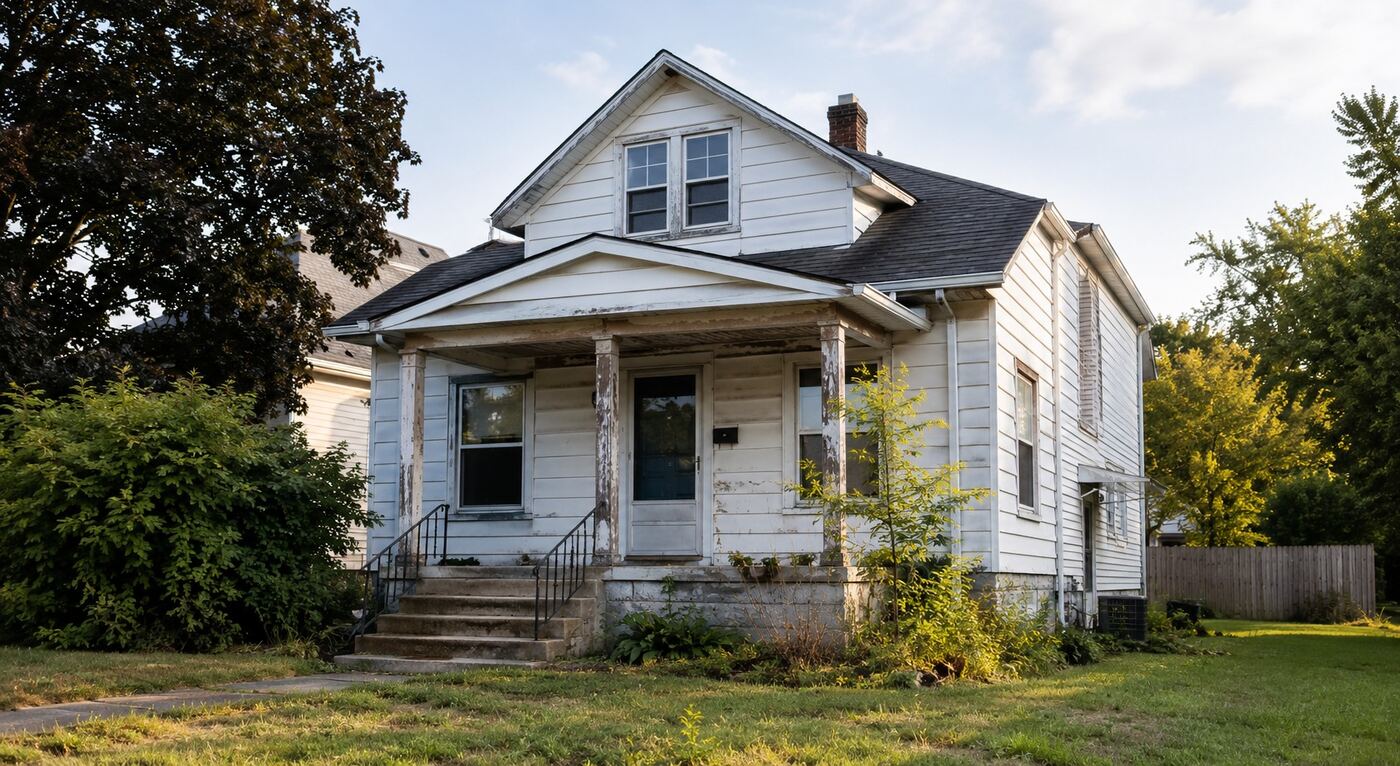
A document and property checklist that helps sellers receive and compare a cash offer with fewer surprises. This article is designed to help you organize the right questions before you compare offers or sign an agreement.
Gather the property facts
Prepare the deed, mortgage statement, tax bill, survey, leases, association information, utility details, repair records, permits, warranties, and any notices or code issues. Identify all owners and decision makers. Accurate information helps the buyer and title provider spot issues early.
For a useful comparison, put the proposed price beside estimated repairs, commissions, concessions, holding costs, moving costs, and the probability of closing on time. A direct sale may remove some expenses, but the written agreement determines what the seller actually keeps.
Make access safe and clear
The property does not need to be renovated or staged for a direct review. It should be safe enough for agreed access. Identify locked areas, utilities, occupants, pets, hazards, and personal property. Confirm whether photos or contractors are allowed and when inspections may occur.
Sellers should ask what the buyer has verified, what remains subject to inspection, and whether the number can change. A credible buyer can explain the assumptions behind the offer and identify the next due diligence step without creating false urgency.
Decide how you will compare offers
Create a simple sheet for price, estimated net, earnest money, inspection rights, contingencies, closing date, possession, assignment, and buyer funds. Ask the same questions of each buyer. Take time to read the agreement and use professional advice when a term is unclear.
The cleanest process starts with accurate property information. Known defects, occupancy, liens, permits, inherited ownership, association balances, and access limits should be disclosed early so title and due diligence issues do not surface at the last minute.
Calculate the net amount you may actually receive
Begin with the purchase price, then subtract mortgages, liens, taxes, agreed closing costs, commissions if any, repairs the seller accepts, concessions, and moving or cleanout expenses. Add holding costs if another option takes longer. This produces a more useful comparison than looking at the headline price alone.
Ask the closing provider for an estimated settlement statement when the terms are developed enough. Review it again before signing the final documents because payoff amounts, tax prorations, municipal charges, and title items can change the expected proceeds.
What a serious cash buyer should be able to explain
A serious buyer should identify the purchasing party, provide reasonable evidence of funds, state the due diligence needed, and put the price and timeline in writing. The buyer should also explain whether the contract may be assigned and who will communicate with the title company or closing attorney.
Certainty comes from the combination of funds, experience, clear terms, realistic access, and responsive closing coordination. Cash by itself does not guarantee performance, so sellers should evaluate the full execution plan.
Prepare for property and title review
Even an as is cash sale normally includes some level of property access and title review. The buyer may confirm layout, condition, utilities, occupancy, rents, repair scope, zoning, or environmental concerns. The closing provider checks ownership, liens, taxes, judgments, and other recorded matters.
Gathering records early can reduce delays. If there is probate, a trust, an entity owner, a divorce, an active tenant, code enforcement, or an open permit, identify it before promising a very short closing.
Know what can change after inspection
Read the inspection and access language carefully. Some agreements let a buyer cancel or renegotiate for broad reasons, while others limit the review to specific items or a fixed period. Ask when the offer becomes firm and what earnest money is at risk after that point.
If the buyer requests a price change, ask for the information supporting it. Sellers can accept, reject, counter, or compare another path. The goal is a transparent decision rather than a surprise immediately before closing.
Plan the closing and possession details
Closing and moving do not always occur at the same moment. State whether the property will be vacant, whether personal items remain, when keys transfer, and whether the seller needs temporary post closing occupancy. These details can materially affect both price and risk.
Verify wire instructions directly with the title company or attorney using a trusted phone number. Review the settlement statement, deed, affidavits, and payoff information before signing, and keep copies of the complete closing package.
Questions to ask before accepting a cash offer
Ask: Who is the buyer? Is the price final? What inspections remain? Can the agreement be assigned? How much earnest money is deposited and when? Who pays each closing cost? What title condition is required? When can either party cancel? When do possession and keys transfer?
Write the answers beside competing offers. A lower price with fewer contingencies may or may not be stronger than a higher conditional offer. The right choice depends on the seller's timeline, risk tolerance, work required, and expected net proceeds.
Build your written decision sheet
For how to prepare for a cash home offer, write the important numbers and obligations on one page. Include estimated net proceeds, cash received at closing, future payments if any, total time, property work, contingencies, closing costs, possession, and every item that still needs verification. This makes the decision easier to explain and prevents one attractive number from hiding a major tradeoff.
Add a confidence column beside each item and mark it confirmed, estimated, or unknown. Ask the buyer, agent, title professional, attorney, accountant, lender, or insurance professional to resolve the questions within that person's role. Update the sheet whenever the price, terms, inspection findings, payoff, or closing date changes.
Before you sign or transfer ownership
Read the final agreement and every addendum from beginning to end. Confirm the legal names, property address, price, deposits, financing terms, inspection rights, title standard, closing date, costs, assignment language, default provisions, and possession. Make sure the documents match the explanation you were given.
Keep copies of the signed contract, disclosures, settlement statement, deed, payment documents, servicing instructions, and professional advice you relied on. A clear record is useful before closing and becomes even more important when payments, repairs, tenants, insurance, or an existing loan continue after the transaction.
This article is for general educational purposes only and is not legal, tax, lending, insurance, investment, or financial advice. Real estate rules and transaction requirements vary. Consult qualified independent professionals before signing an agreement.